
Does Ghana’s Petroleum Sharing Agreement (PSA) stand the test of time? Maybe it is time to put it to a Stress Test.
…“We have always believed, and we have not hidden the intention, that hydrocarbons oil and gas will continue to be a major stage in championing our economic survival” – Dr. Yusif Sulemana (Technical advisor to the Ministry for Energy and Green Transition)
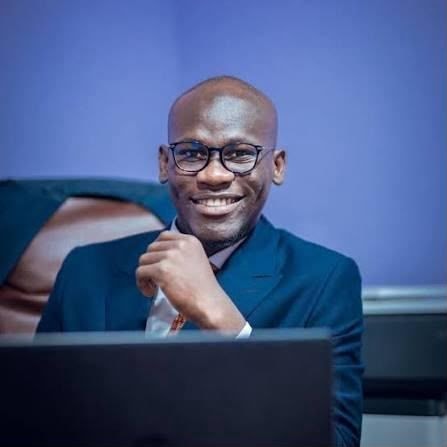
Alhassan-Atta Shaibu
For a county that significantly depends on the oil and gas industry to keep its economy afloat like Ghana cannot afford to leave structural and legal provision open should any major company face restriction whether locally or internationally that hinders their production especially in this fragile geopolitical atmosphere.
Published by Christabel Danso
83 views
Related Coverage: Features
Features
How not to go to jail after holding public office (3)
On the day you leave public office, your successor receives the keys, the files and a briefing on the work ahead. Somewhere in that handover is a contract you approved two years earlier. The project is still under way. The contractor says the institution owes him for extra work. Finance has held back the payment. The board minutes record an approval, but the signed contract carries a different figure.

Features
The 2027 "New Economy" budget as a gateway for Qatari investment and stronger ties
Ghana's 2027 Budget, The New Economy, New Ghana, Jobs and Prosperity, sets aside US$10 billion of public money for eight investment pillars between 2027 and 2030.
Features
Energy and Development with Prof. Ernest Ofori Asamoah: How the global energy transition is reshaping Africa’s business landscape
The global energy transition is no longer merely an environmental mandate; it is a fundamental reconfiguration of the global industrial and economic order.

Features
Beyond compliance: Turning Cocoa Traceability into a global competitive advantage
For decades, Ghana’s cocoa has enjoyed international recognition for its quality, consistency and reliability. These attributes have sustained our commercial relationships and earned Ghanaian cocoa a respected place in the world’s chocolate and confectionery industries.
Features
No credit, no current, no industry
No factory, farm or processing plant can succeed without two things: money it can afford to borrow and electricity it can afford to use. Pillars One and Three of the 2027 Budget's New Economy programme are designed to provide both. They are the foundations on which every other pillar stands.

Features
Not a seesaw, but a symphony: A book every home and professional must read
When my good friend and brother, Edem Damanka, asked me to review this book at its launch, I did not approach it as an expert coming to judge it. I approached it as a student coming to learn from it.
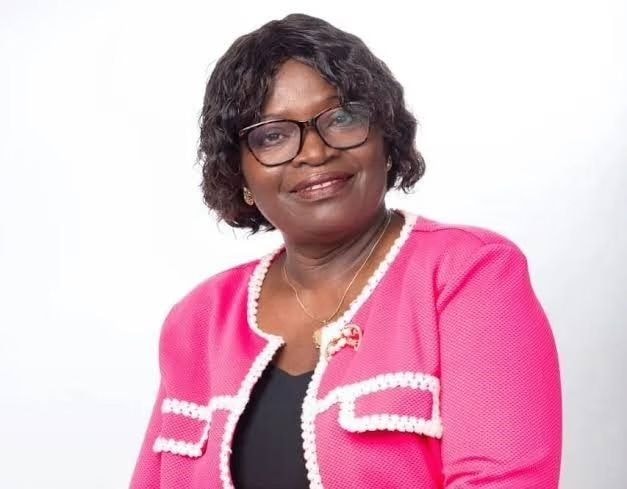
Features
Risk Watch with Alberta QUARCOOPOME: Mistakes and errors?
"You make mistakes. Mistakes don't make you." - Maxwell Maltz

Features
FOUNDER TO FOUNDER with Irene Ansa-Asare Horsham: Business law for non-lawyers
“We don't have a contract. We never signed anything.” I have heard variations of this statement many times. Sometimes it is correct. Sometimes it is not. One of the most persistent misconceptions about contracts is that there must be a lengthy document, prepared by lawyers and signed by both parties, before a legally binding agreement can exist.
Comment guidelines
Please keep comments respectful. Use plain English for our global readership and avoid using phrasing that could be misinterpreted as offensive. By commenting, you agree to abide by our community guidelines and these terms and conditions. We encourage you to report inappropriate comments.
Brilliant piece, Alhassan-Atta. You have simplified a very complex geopolitical risk into a clear policy gap. The point about Ghana's revenue being tied to project completion after CAPEX/OPEX is really thought-provoking. Your call for a stress test of the PSA is timely. My question: In your view, should the amendment to Act 919 include a forced buy-out clause for sanctioned partners, or should it focus on creating a replacement financing mechanism to keep the project afloat?