Inflation edges up to 5.2% as domestic price pressures persist
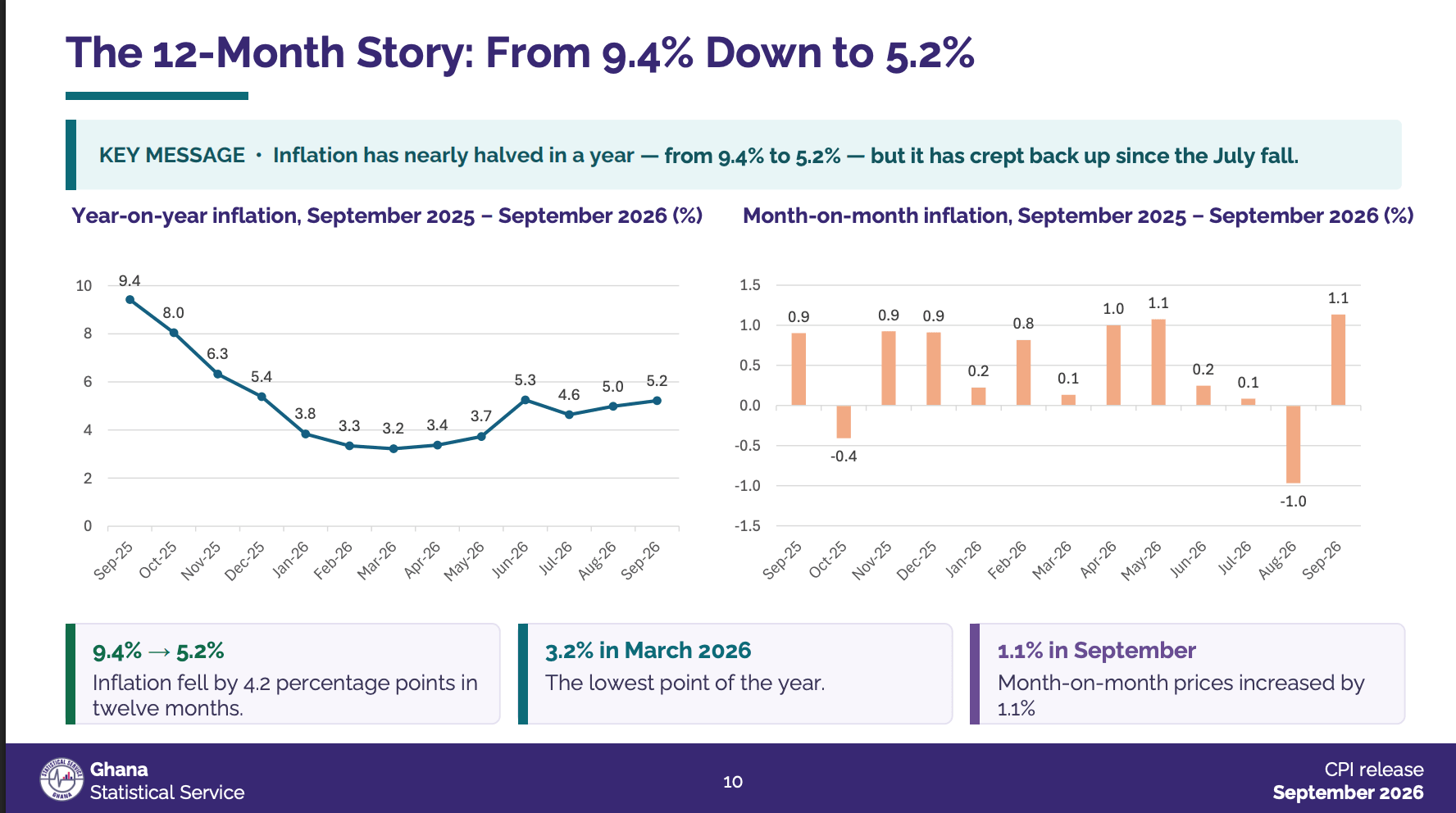
Ghana’s annual inflation rate rose to 5.2 percent for September 2026 from 5 percent in August, with locally produced goods and services causing the bulk of price pressures.
Sub-Saharan Africa’s economy remains resilient despite geopolitical tensions, climate shocks, declining development assistance, and fiscal pressures.
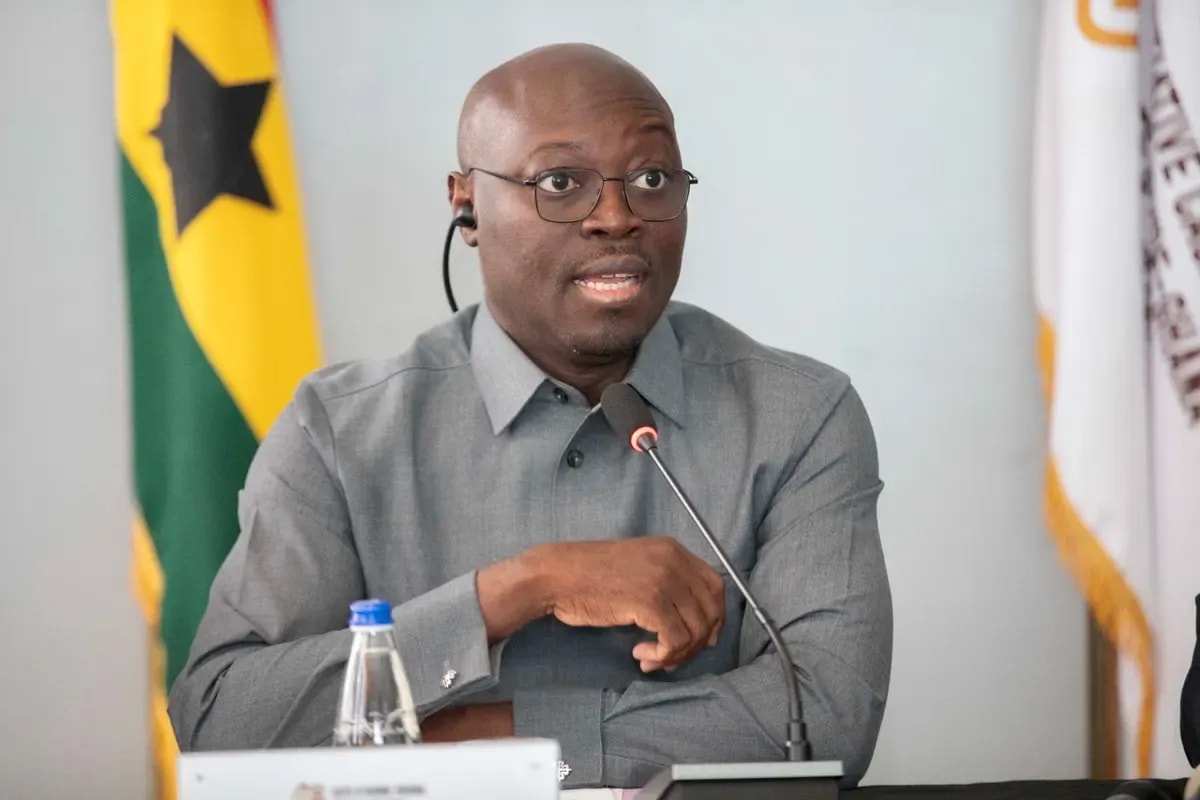
Finance Minister Dr. Cassiel Ato Forson has tasked the National Lottery Authority (NLA) to generate more revenue for the state, describing its GH¢10 million dividend as a positive step.
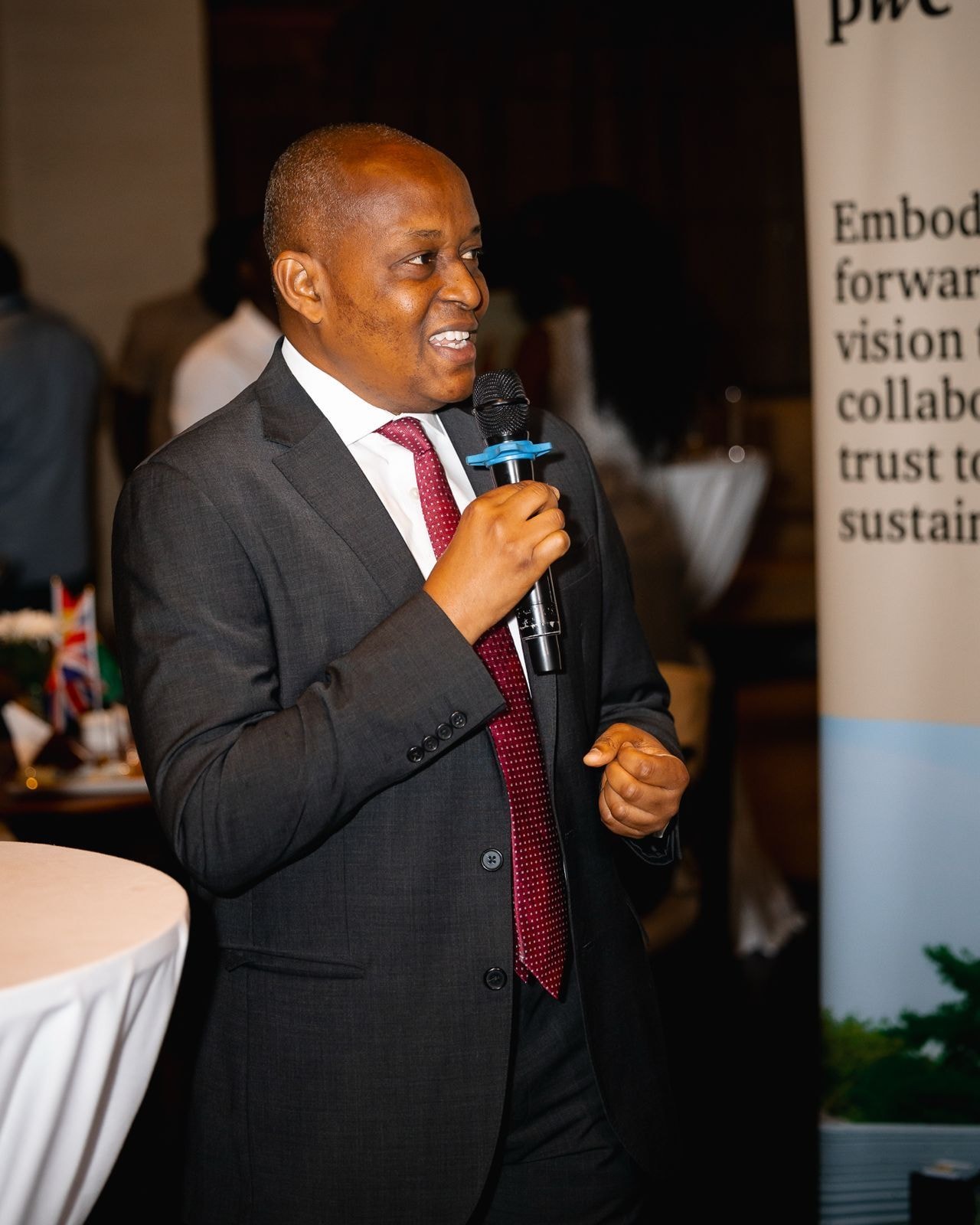
The business environment in Ghana remains positive and dynamic, but businesses must adapt their internal processes, relationships and market strategies to take full advantage of emerging opportunities, PricewaterhouseCoopers (PwC) Ghana LTD. Country Senior Partner, Vish Ashiagbor, has said.
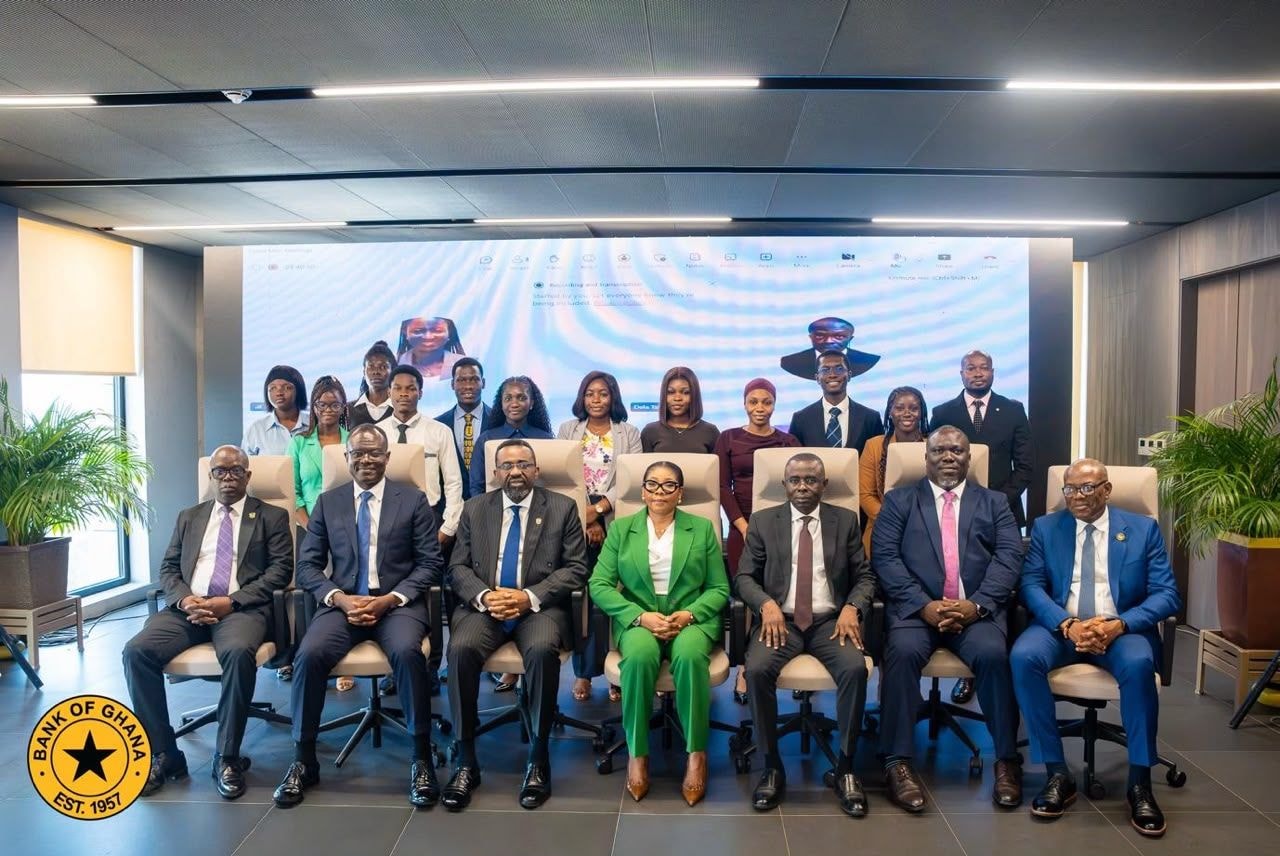
The Bank of Ghana (BoG) has expanded its monetary policy education efforts with the second edition of its Monetary Policy Committee Educational Observership Programme (MPC-EOP), giving university students direct exposure to the analytical and deliberative processes that underpin the setting of the policy rate.
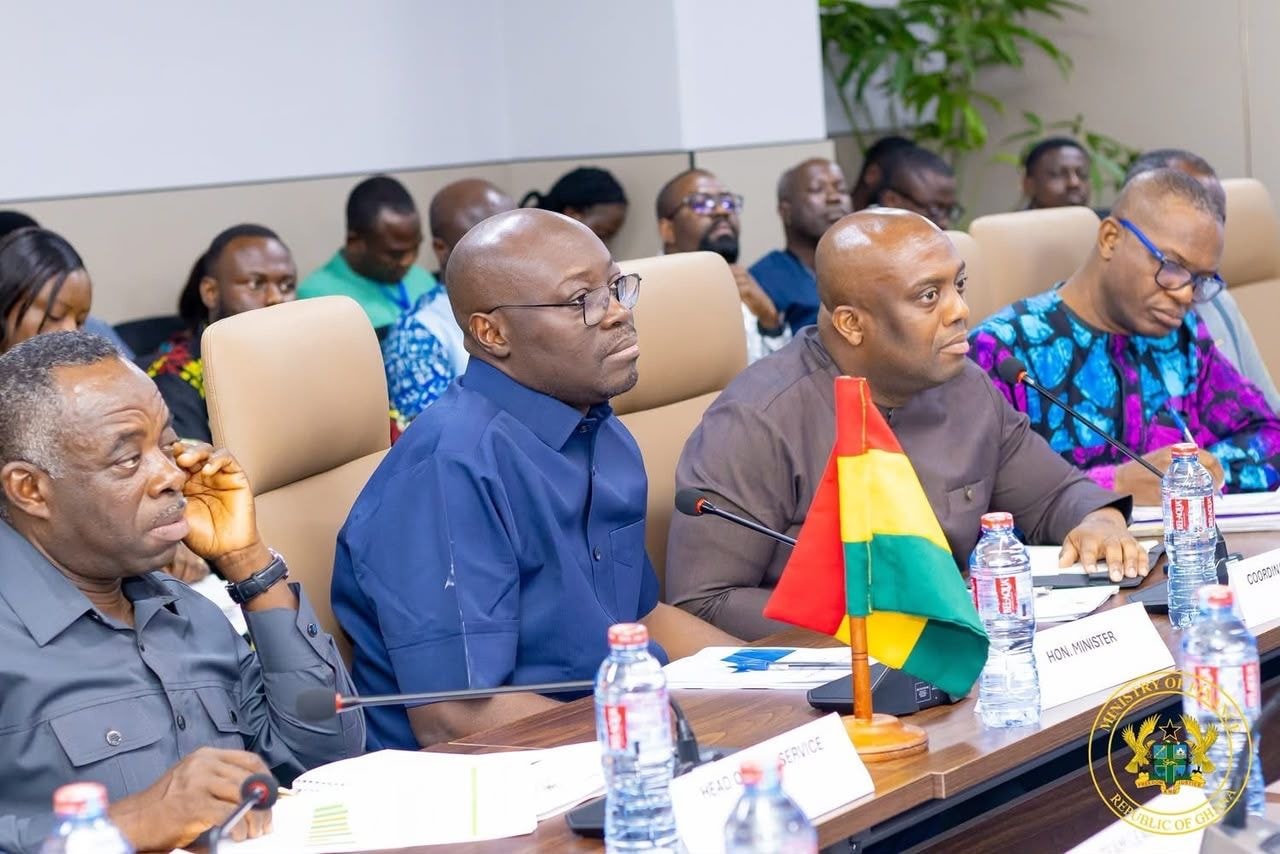
Finance Minister Dr. Cassiel Ato Forson has stated that the interest of the Ghanaians will remain the government’s foremost priority in preparing the 2027 Budget.
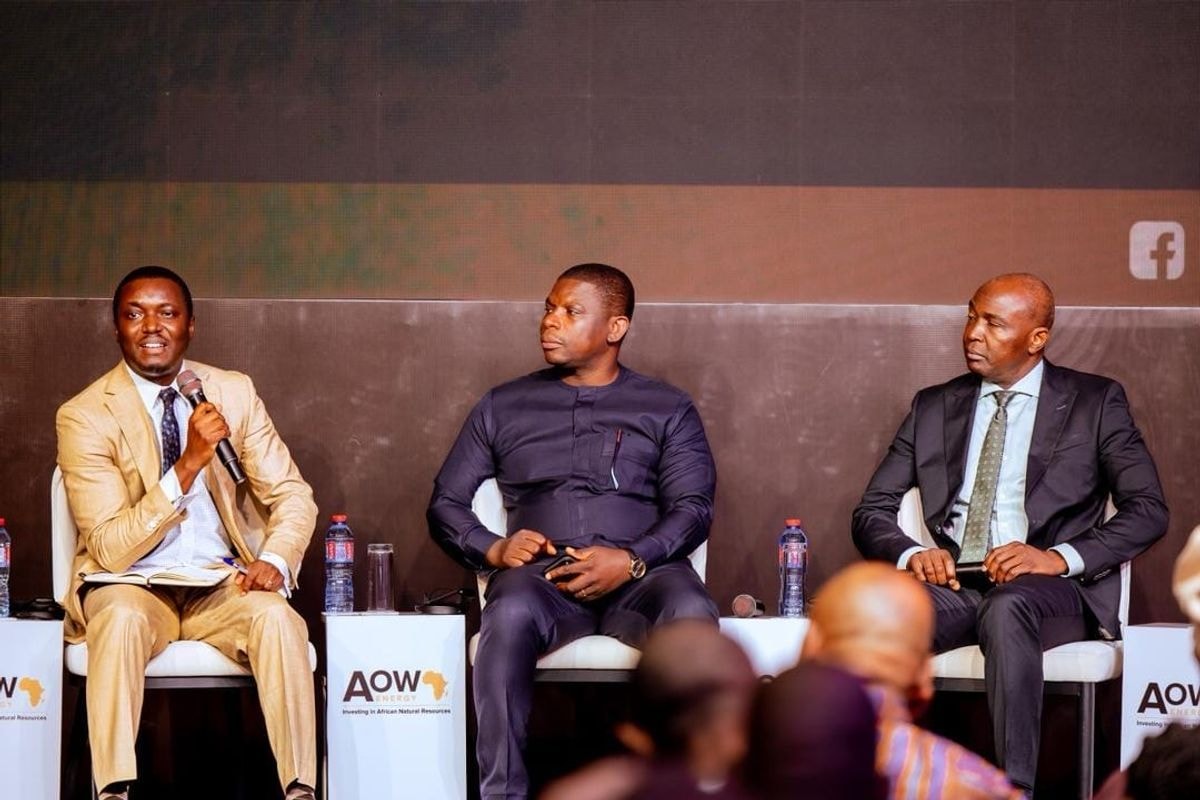
Energy, Resources and Industrials Lead at Deloitte Ghana, Gideon Ayi-Owoo, has made a strong case for the government to ensure policy certainty within the energy sector.
Get the latest economy news delivered to your inbox.