Compliance is not strategy
Key findings 1. Ghana's sustainable finance regulatory architecture is substantially complete. Commercial adoption is not. The sector has satisfied a supervisory framework without making a strategic decision.
Across the African continent, invisible walls limit our shared prosperity. These are not merely physical infrastructure, but a double-barreled disconnect: on one side, payment systems that cannot talk to each other.
“Now grant me wisdom and knowledge, so that I may lead this people. For who is able to govern this great people of Yours,” the young King Solomon asked God at the beginning of his reign. His question remains the shrewdest in leadership.
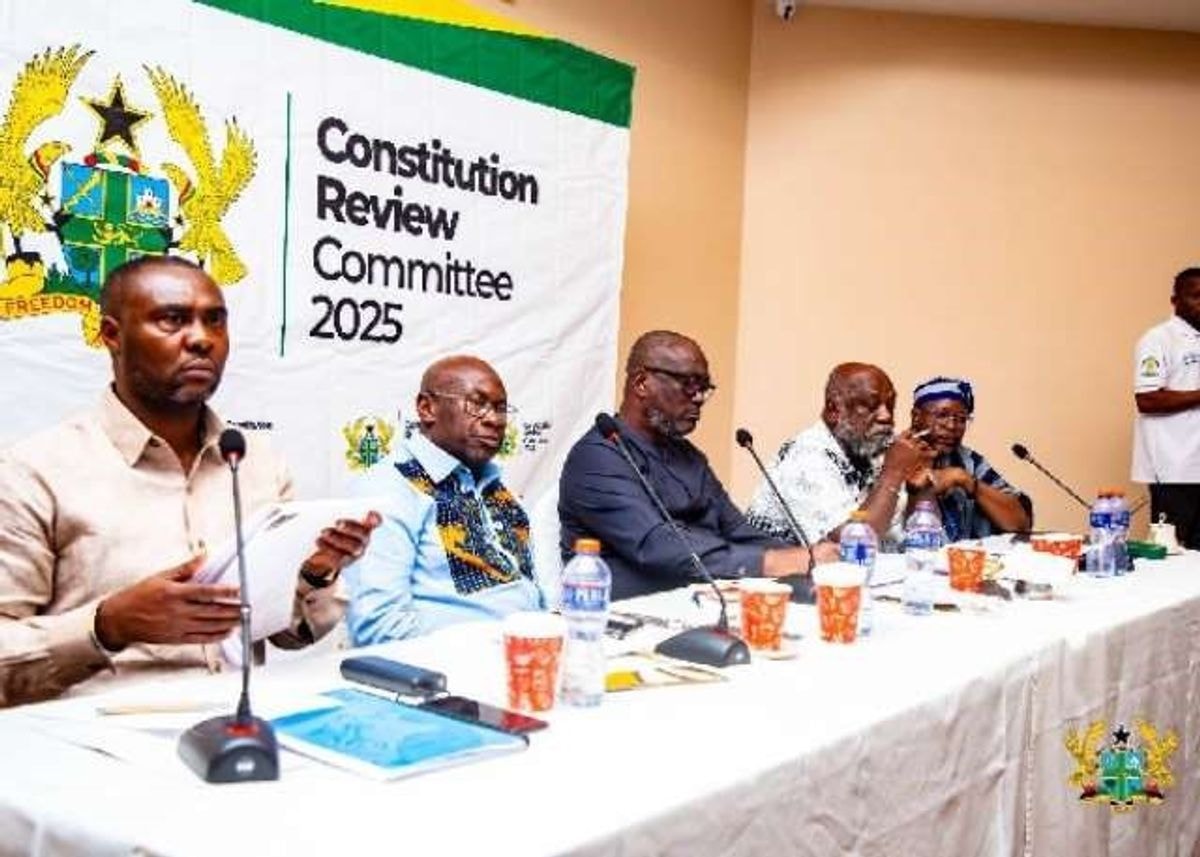
The Constitution Review Committee wants Ghana to graduate from an 'electoral democracy' to a 'developmental democracy'. It is a compelling slogan. The real test, however, is whether the fine print delivers to the ordinary Ghanaian.
What happens when the women already helping to power Ghana become part of preparing the women and girls who will build its AI future? That question sits at the heart of a new partnership between STEM Academy Achievers Ghana, the global #BeMe initiative and Electricity Company of Ghana – Women in Engineering (ECG-WinE). For me, this is much more than a partnership announcement. It is about connecting generations, connecting industry with education and, importantly, building the human infrastructure Ghana will need for an AI-enabled economy.
A disturbing video recently circulating on social media shows women working in a water-filled galamsey pit while singing Pentecostal songs. The juxtaposition is striking: Christian worship and illegal mining side by side.
The BRICS Business Forum 2026 in New Delhi underscored the bloc’s growing influence, with BRICS economies now accounting for 40 percent of global GDP and 25 percent of international trade. For West Africa, and Ghana in particular, the outcomes intersect directly with the Reset Agenda, the Big Push projects and the 24 Hour Economy initiative. A sector by sector econometric analysis reveals how BRICS aligned reforms could reshape Ghana’s growth trajectory, employment creation and trade balance over the next decade.
Get the latest features news delivered to your inbox.